
Table of Contents
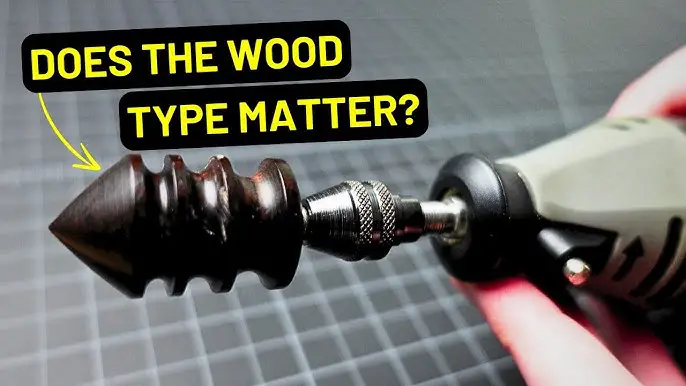
What is a wood burnishing tool?
A wood burnishing tool is a smooth, hard tool used to polish wood by friction, not by removing material.
- It works by compressing wood fibers instead of sanding them away
- Creates a natural glossy finish without chemicals
- Often used in wood carving, furniture finishing, and fine detail work
👉 Burnishing = rubbing the surface until it becomes smooth and shiny through heat and pressure
🧠 How it works (simple explanation)
When you rub wood with a hard smooth tool:
- Friction creates heat
- Wood fibers soften slightly
- Fibers get compressed and aligned
- Surface becomes smooth, shiny, and slightly hardened
👉 Unlike sanding (which removes material), burnishing preserves detail and dimensions
🧰 Types of wood burnishing tools
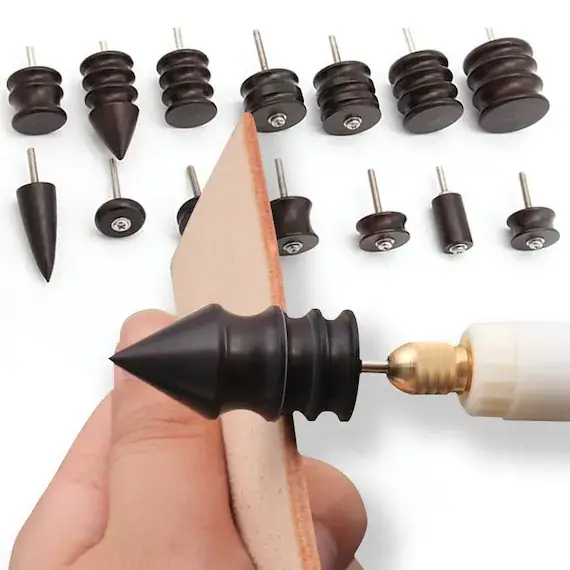
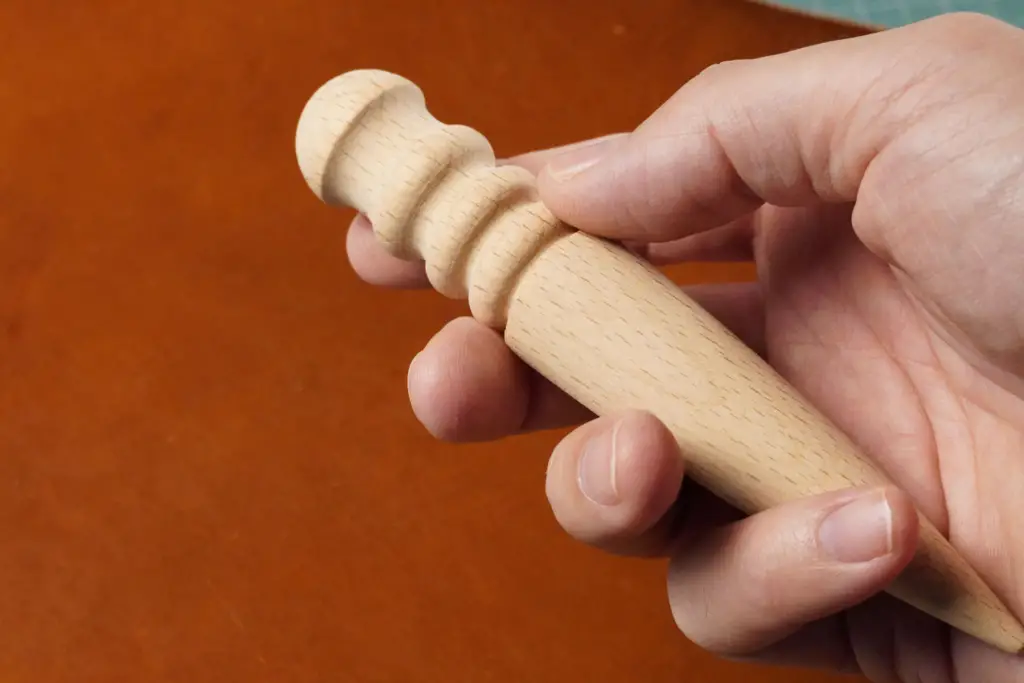
1. Wooden burnisher (most common)
- Made from hardwood (beech, maple, ebony)
- Smooth rounded edges or grooves
- Great for:
- Small projects
- Edges
- Carving details
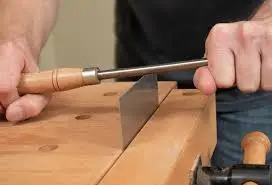
2. Steel burnisher (rod type)
- Polished steel rod
- Often used with card scrapers
👉 Used to create a cutting burr on scrapers
✔ More for advanced woodworking
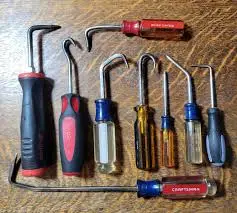
3. Improvised tools (yes, really)
You can burnish with:
- Spoon 🥄
- Stone 🪨
- Antler 🦌
- Hardwood block
👉 Any smooth, hard surface can work
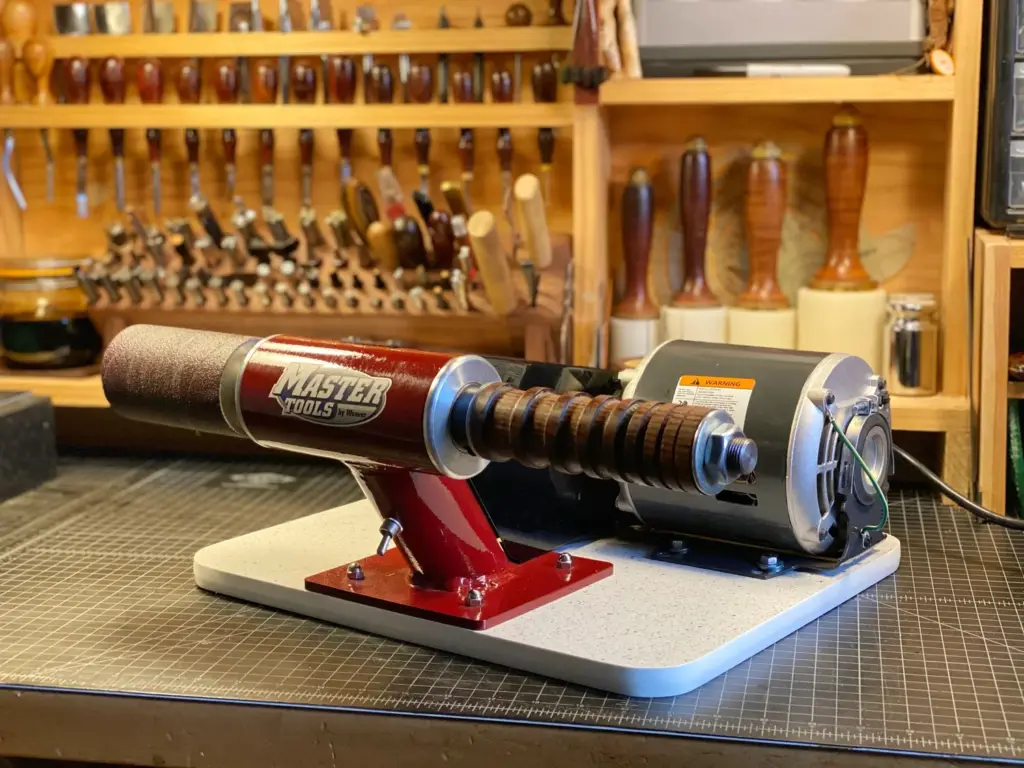
4. Power burnishing tools
- Mounted on drill or lathe
- Faster and more consistent
- Used for:
- Cylinders
- Furniture legs
- Production work
⚙️ How to use a wood burnishing tool (step-by-step)
🔹 Step 1 — Prepare surface
- Sand to fine grit (400–800)
- Remove dust
🔹 Step 2 — Apply light pressure
- Rub tool along the grain
- Use steady motion
🔹 Step 3 — Build friction
- Go back and forth quickly
- You’ll feel heat develop
🔹 Step 4 — Watch the magic
- Surface becomes:
- smoother
- shinier
- slightly darker
🔹 Optional:
- Add wax or oil → even more shine
Pros
- Ultra-smooth “glass-like” finish
- No chemicals needed
- Preserves fine details
- Enhances natural wood grain
- Cheap (even DIY tools work)
Cons
- Takes time and effort
- Works best on hardwoods (oak, maple, walnut)
- Doesn’t protect like varnish
- Can be inconsistent for beginners
👉 Important: burnishing improves appearance but is not a full protective finish
🆚 Burnishing vs Sanding
| Feature | Burnishing | Sanding |
|---|---|---|
| Removes material | ❌ No | ✅ Yes |
| Smoothness | ✅ High | ✅ High |
| Shine | ✅ Natural gloss | ❌ Matte |
| Detail preservation | ✅ Perfect | ❌ Can blur |
| Skill required | ⚠️ Medium | ✅ Easy |
💬 Real user insights (from craftsmen)
From community discussions:
“Ebony feels smoother and denser… but difference is small”
👉 Translation:
- Expensive tools ≠ dramatically better
- Technique matters more than material
⭐ Best use cases
Use a wood burnisher when you want:
- ✨ Decorative finish (carvings, handles)
- 🎸 Musical instruments
- 🪑 Fine furniture details
- 🧩 Small precision projects
🏆 Final verdict (honest review)
Rating: 8.5 / 10
✔ Amazing for craftsmanship and aesthetics
✔ Simple but powerful technique
❗ Not a replacement for protective finishes
👉 Best for:
- detail-focused woodworkers
- handmade / artisan projects
👉 Not ideal for:
- outdoor furniture
- heavy-duty surfaces
💡 Pro tips (this is gold)
- Always burnish with the grain
- Use harder wood tools → better results
- Slight moisture or oil can improve effect
- Practice on scrap first
FAQs
What is a wood burnishing tool used for?
It’s used to smooth and polish wood surfaces by compressing fibers instead of removing them.
👉 Result:
smoother surface
natural shine
enhanced grain
Is burnishing better than sanding?
Not better — just different.
Sanding = removes material
Burnishing = compresses material
👉 Best practice:
✔ Sand first
✔ Burnish last
Can you burnish any type of wood?
Not all woods behave the same.
✔ Best:
maple
oak
walnut
cherry
⚠️ Less effective:
very soft woods (pine, spruce)
👉 Hardwoods give a much better shine.
Do you need oil or wax when burnishing?
No — but it helps.
Dry burnishing → subtle shine
With oil/wax → deeper gloss + smoother feel
👉 Popular combo:
burnish + beeswax 🐝
Can I use household items instead of a burnisher?
Yes 👍
You can use:
spoon
glass bottle
smooth stone
hardwood stick
👉 As long as it’s hard and smooth, it works.
Does burnishing protect the wood?
Not really.
❌ It does NOT replace:
varnish
polyurethane
lacquer
✔ It only:
slightly hardens the surface
improves feel and look
READ ALSO: Best primer for outdoor wood