
Table of Contents
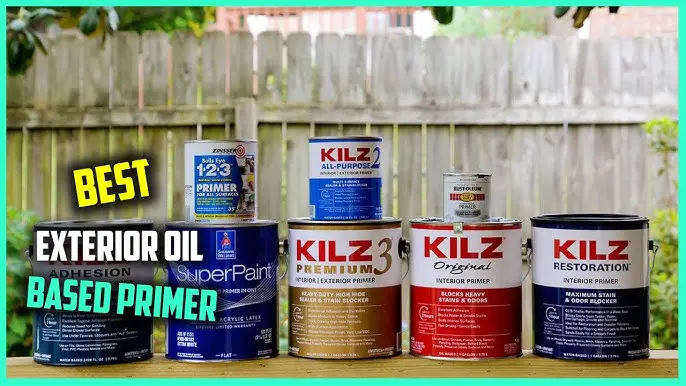
Best primer for outdoor wood
Why You Must Use a Primer on Outdoor Wood
Primers do several essential jobs on exterior wood:
- Seal porous wood fibers to prevent water intrusion and swelling.
- Create an adhesion layer so topcoats don’t peel in harsh conditions.
- Block tannin and resin bleed-through (especially in cedar/redwood).
- Improve topcoat coverage and finish quality.
Outdoor primers are formulated to handle UV exposure, rain, mildew, and wide temperature swings — something interior primers aren’t designed for.
🧰 Types of Primers for Outdoor Wood
🪵 1. Oil-Based / Alkyd Primers
- Excellent at penetrating wood and blocking tannins and stains.
- Best choice for porous woods and harsh climates.
- Pros: Superior sealing, strong adhesion.
- Cons: Longer drying time, stronger odor, needs solvent cleanup.
👉 Often recommended for doors, bare wood trim, and stained wood prepping.
💦 2. Water-Based (Acrylic/Latex) Primers
- Easier cleanup, lower odor and VOCs.
- Still effective outdoors when high-quality.
- Pros: Quick drying, flexible with temperature changes.
- Cons: Slightly less stain blocking than oil-based.
👉 Great for most exterior wood projects with standard paint systems.
🧪 3. Specialty Primers
- Mildew-resistant or mold-killing: help in damp climates.
- Hybrid or bonding primers: designed to stick to slick or tricky surfaces.
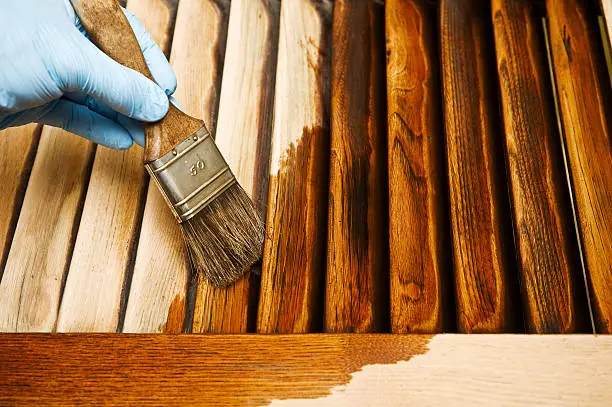
🏆 Top Primers for Outdoor Wood — Reviews & Recommendations
🏆 Best Overall & Most Trusted
Zinsser Bulls Eye 1‑2‑3 Primer & Sealer — ★ ~4.7/5
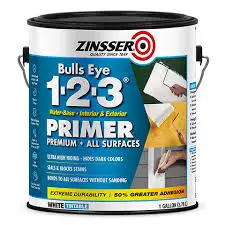
- Best all-purpose exterior primer with excellent adhesion and stain-blocking performance.
- Works on raw wood, plywood, and previously painted surfaces.
- Water-based, low-odor, and compatible with most topcoats.
- Great for fences, trim, and siding; recommended by expert guides as reliable outdoor choice.
INSL‑X Block Out Acrylic Exterior Wood Primer
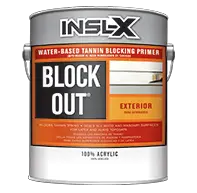
- Excellent tannin and stain blocker — ideal for cedar, redwood, pine, and other woods prone to bleed.
- Good adhesion and blister resistance; can be top-coated with latex or oil paints.
🪵 Premium Exterior Wood Primers
Benjamin Moore Fresh Start Deck & Siding Exterior Primer — ★ ~4.8/5

- Premium primer designed specifically for exterior decking and siding wood.
- Excellent sealing and adhesion for long-lasting paint performance on wood.
Benjamin Moore Fresh Start High Hiding Primer — ★ ~4.6/5
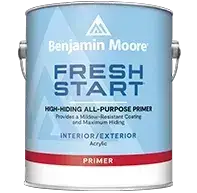
- High-hiding formula helps cover old paint or dark stains before repainting.
- Useful on exterior wood where stain blocking and base coverage matter.
🔧 Specialty & Convenient Options
Bulls Eye 1‑2‑3 Plus Spray Primer — ★ ~4.1/5
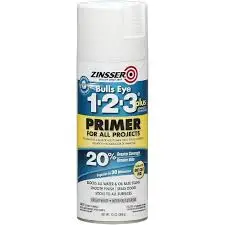
- Spray version of a trusted primer — great for fencing, furniture, or hard-to-reach details.
Sherwin‑Williams Exterior Primer (Latex)
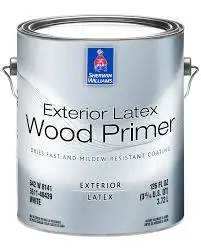
- Solid water-based exterior primer from Sherwin-Williams; good adhesion, easy clean-up.
Sherwin‑Williams Multi‑Purpose Latex Primer
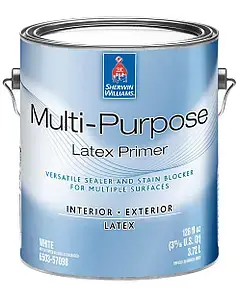
- Versatile latex primer that also performs outdoors; good general-purpose choice.
Stain Blocking Primer 1 Litre
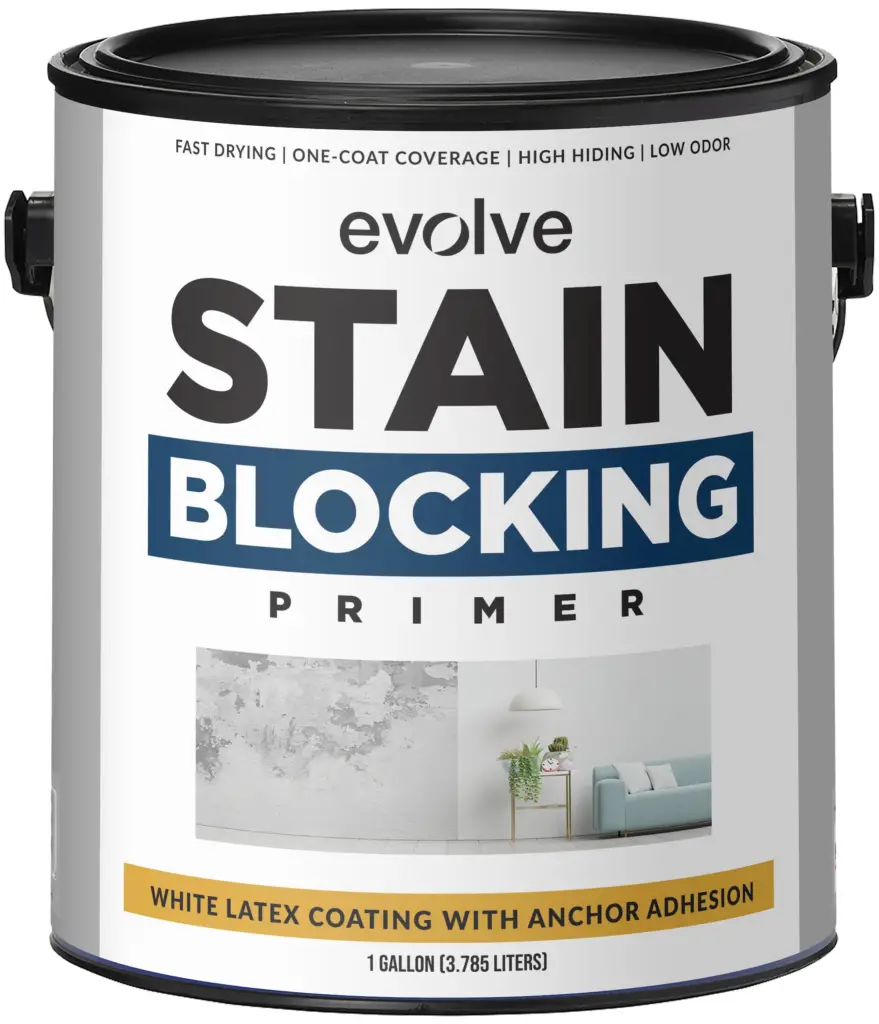
- General stain-blocking primer — basic but functional for smaller wood jobs.
🧠 How to Choose the Right Primer (Quick Guide)
🔹 Stain Blocking Priority:
- Use Zinsser Bulls Eye 1-2-3, INSL-X Block Out, or other tannin-blocking primers for cedar, redwood, and woods with heavy knots.
🔹 Raw or Weathered Wood:
- Oil-based primers are strongest at penetrating and sealing porous wood. Water-based premium primers are easier to use and cleanup.
🔹 Ease of Use & Clean-up:
- Water-based primers (like Zinsser 1-2-3, Sherwin-Williams latex) dry faster and clean with soap + water.
🔹 Spray vs. Brush:
- Spray primers are faster for large or intricately shaped wood (e.g., furniture), while brush/roller is better for big boards and siding.
🪛 Pro Tips for Exterior Wood Priming
- Prep first: Remove dirt, mildew, and loose fibers with a brush or pressure wash; let wood fully dry.
- Sand lightly: Open the wood grain slightly for best primer grip.
- Follow weather windows: Apply primer when temperatures and humidity match manufacturer instructions — usually above 50°F.
- Seal tannins: On woods like cedar/pine, use a dedicated stain blocker or oil primer first to avoid brown bleed-through.
FAQs
Do I really need primer for outdoor wood?
Yes. Exterior primer seals the wood, blocks moisture, prevents peeling, and improves paint adhesion. Skipping primer often leads to early paint failure, especially outdoors.
What is the best type of primer for outdoor wood?
It depends on the wood and conditions:
Oil-based / alkyd – best for raw, weathered wood and heavy stain blocking
Water-based (latex/acrylic) – easier cleanup, fast drying, flexible in temperature changes
Stain-blocking primers – required for cedar, redwood, pine knots
What primer should I use for cedar or redwood?
Use a high-quality stain-blocking primer. Cedar and redwood release tannins that cause brown stains through paint.
Best options:
Zinsser Bulls Eye 1-2-3
INSL-X Block Out
Oil-based exterior wood primers
Is latex (water-based) primer good for exterior wood?
Yes, if it’s rated for exterior use. Modern latex primers:
Dry faster
Resist cracking
Work well with latex exterior paints
They are ideal for fences, siding, trim, and furniture.
Can I paint exterior wood without sanding?
Light sanding is strongly recommended. It:
Removes loose fibers
Improves primer adhesion
Reduces peeling risk
You don’t need aggressive sanding—just scuff the surface.
READ ALSO: Carbide tipped blade: what you need to know?