

Dust Collection Air Flow
Proper dust collection air flow is the foundation of an efficient woodworking, metalworking, or workshop dust collection system. Whether you’re setting up a small garage shop or upgrading a professional workshop, understanding air flow helps improve dust capture, protect your health, extend tool life, and keep your workspace clean.
Table of Contents
What Is Dust Collection Air Flow?
Dust collection air flow refers to the volume of air moving through a dust collection system over a specific period of time. It is commonly measured in:
- CFM (Cubic Feet per Minute) – North America
- m³/h (Cubic Meters per Hour) – Europe and many international markets
The goal is simple:
Move enough air fast enough to capture dust before it escapes into your workshop.
Air flow is often confused with suction, but they are not the same thing.
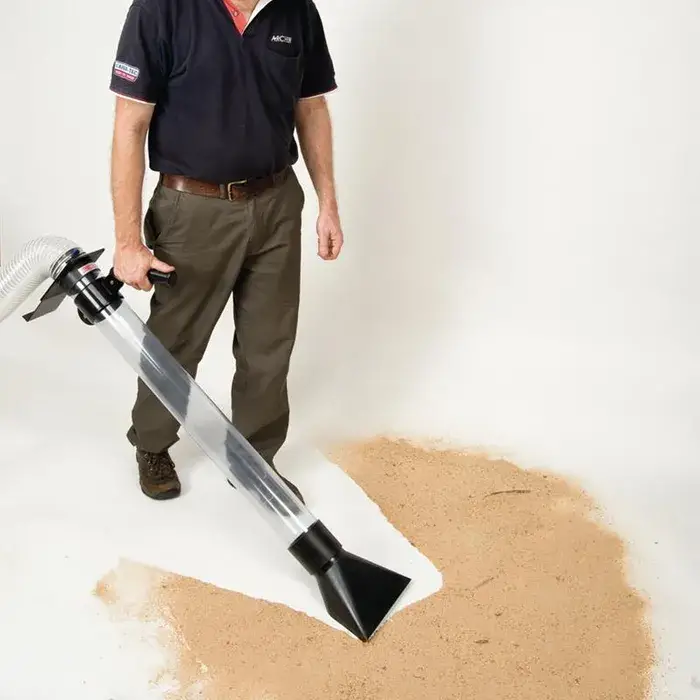
Air Flow vs Suction
Many beginners think stronger suction means better dust collection.
Actually, an effective system needs a balance of:
- High air flow (CFM)
- Adequate static pressure
Think of it this way:
A shop vacuum has:
- Very high suction
- Low air flow
A dust collector has:
- Moderate suction
- Extremely high air flow
This is why:
Shop vacs excel with handheld tools.
Dust collectors excel with table saws, planers, jointers, and CNC machines.
Why Air Flow Matters
Proper air flow offers numerous benefits.
Better Dust Capture
Fine dust is collected before becoming airborne.
Cleaner Workshop
Less dust settles on tools, floors, and equipment.
Improved Air Quality
Reduces harmful airborne particles.
Health Protection
Wood dust exposure has been linked to:
- Allergies
- Respiratory irritation
- Asthma
- Long-term lung damage
Longer Tool Life
Dust buildup causes:
- Overheating
- Bearing wear
- Motor damage
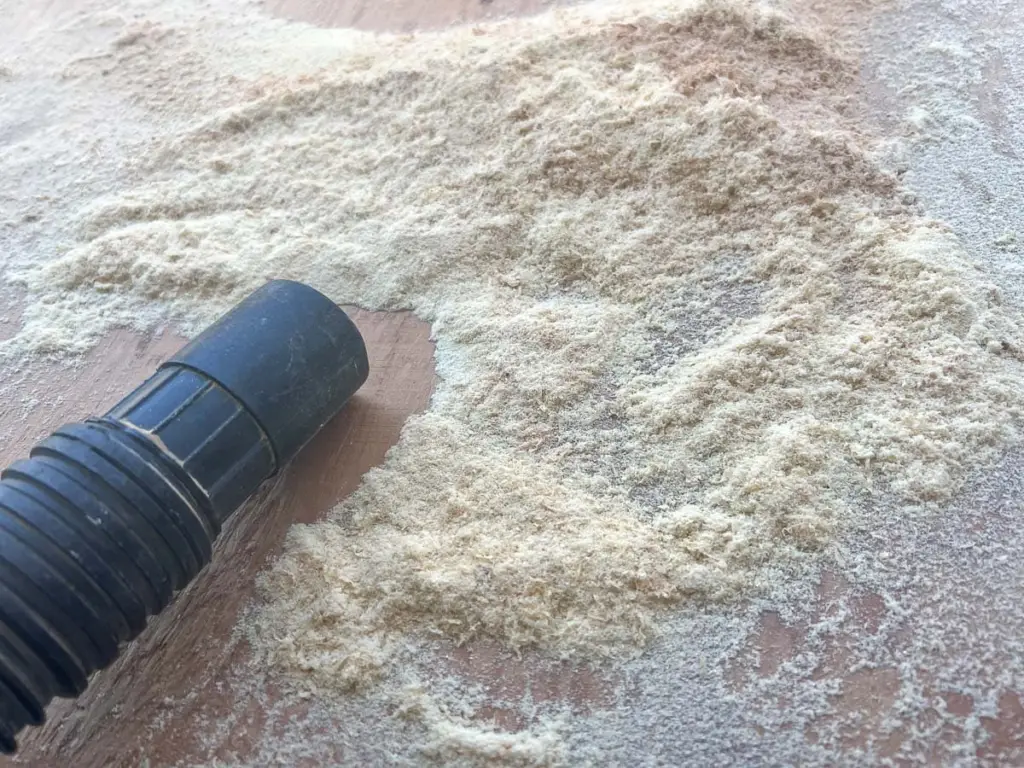
Understanding CFM
CFM measures how much air moves each minute.
Example:
400 CFM means:
400 cubic feet of air move every minute through the system.
Higher CFM usually means better dust collection—but only if restrictions remain low.
Recommended CFM by Tool
| Tool | Recommended CFM |
|---|---|
| Random Orbital Sander | 100–150 |
| Router Table | 250–350 |
| Miter Saw | 350–500 |
| Table Saw | 350–450 |
| Band Saw | 300–400 |
| Drill Press | 200–300 |
| Jointer | 350–500 |
| Planer | 500–800 |
| Drum Sander | 800–1200 |
| CNC Router | 500–1000 |
Static Pressure Explained
Static pressure measures resistance inside the dust collection system.
Resistance comes from:
- Long hoses
- Sharp bends
- Small duct diameters
- Dirty filters
- Blast gates
- Cyclones
Higher resistance means lower air flow.
What Reduces Air Flow?
Several factors restrict performance.
Small Hose Diameter
Small hoses dramatically reduce CFM.
Example:
- 2.5-inch hose
- 4-inch hose
- 6-inch hose
The larger hose can often move several times more air.
Long Hose Runs
Every extra foot increases resistance.
Keep runs:
- Short
- Straight
- Smooth
Sharp Bends
Avoid:
- 90° elbows
- Tight curves
Instead use:
- Two 45° elbows
- Long-radius bends
Flexible Hose
Flexible hose creates more turbulence.
Use rigid ducting wherever possible.
Reserve flexible hose only for final tool connections.
Dirty Filters
Clogged filters reduce air flow quickly.
Regular cleaning restores performance.
Air Velocity
Air velocity refers to air speed inside the duct.
Too slow:
Dust settles.
Too fast:
Energy consumption increases.
Most woodworking systems aim for approximately:
3,500–4,500 feet per minute (FPM)
This keeps chips suspended until they reach the collector.
Duct Size Recommendations
| Main Line | Typical CFM |
|---|---|
| 4-inch | 350–450 |
| 5-inch | 500–700 |
| 6-inch | 700–1000 |
| 7-inch | 1000–1400 |
| 8-inch | 1400–1800 |
Always match duct size to your collector’s capacity.
Single-Stage vs Two-Stage Collectors
Single-Stage
Advantages:
- Lower cost
- Compact
- Easy installation
Disadvantages:
- Filter clogs faster
- Less efficient chip separation
Best for:
Small home shops.
Two-Stage (Cyclone)
Advantages:
- Better air flow consistency
- Less filter clogging
- Improved fine dust separation
- Easier maintenance
Disadvantages:
- Higher price
- Larger footprint
Best for:
Professional workshops and heavy use.
How to Improve Dust Collection Air Flow
1. Upgrade to Larger Ducts
Small ducts restrict air.
Increasing diameter often provides the biggest improvement.
2. Reduce Hose Length
Keep hoses as short as practical.
3. Minimize Flex Hose
Rigid metal or PVC ducting performs better.
4. Clean Filters Frequently
Dirty filters reduce CFM significantly.
Use compressed air or follow the manufacturer’s cleaning instructions.
5. Empty the Collection Bin
An overfilled bin can reduce efficiency.
6. Seal Air Leaks
Leaks reduce available air flow.
Seal joints using:
- Aluminum HVAC tape
- Silicone sealant
- Rubber gaskets
Avoid ordinary cloth duct tape, which degrades over time.
7. Close Unused Blast Gates
Only keep open the machine you’re using.
This concentrates air flow where it’s needed.
8. Upgrade the Impeller
Some collectors offer larger impellers that increase CFM.
Measuring Air Flow
Common tools include:
- Anemometer
- Air flow meter
- Pitot tube (professional testing)
- Manufacturer performance curves
Many woodworkers also compare chip pickup performance before and after modifications.
Common Air Flow Problems
Weak Suction
Possible causes:
- Full dust bin
- Dirty filter
- Air leaks
- Blocked hose
- Motor issues
Dust Escaping Machine
Possible causes:
- Insufficient CFM
- Poor hood design
- Hose too small
- Multiple blast gates open
Dust Settling Inside Pipes
Usually caused by:
- Low air velocity
- Oversized ducts
- Excessively long runs
Choosing the Right Dust Collector
Consider:
Shop Size
Small garage:
- 650–1000 CFM
Medium workshop:
- 1000–1500 CFM
Large shop:
- 1500–2500+ CFM
Number of Machines
One machine at a time:
Smaller collector acceptable.
Multiple machines:
Choose higher capacity.
Filter Quality
Look for:
- Fine filtration
- HEPA options if available
- Easy cleaning
Noise
Many premium collectors include quieter motors and better insulation.
Maintenance Tips
Maintain peak air flow by:
- Cleaning filters regularly
- Emptying bins before they become full
- Inspecting hoses for cracks
- Tightening clamps
- Checking blast gates
- Removing duct obstructions
- Inspecting impeller for debris
- Lubricating motors if required
Pros and Cons of High Air Flow Systems
Pros
- Better dust capture
- Cleaner workspace
- Improved air quality
- Less machine cleanup
- Longer filter life (with cyclone systems)
- Increased tool longevity
Cons
- Higher purchase cost
- Larger equipment
- Increased power consumption
- More installation space required
- Can be louder without sound insulation
READ ALSO: How long does it take for wood glue to dry?