
Table of Contents
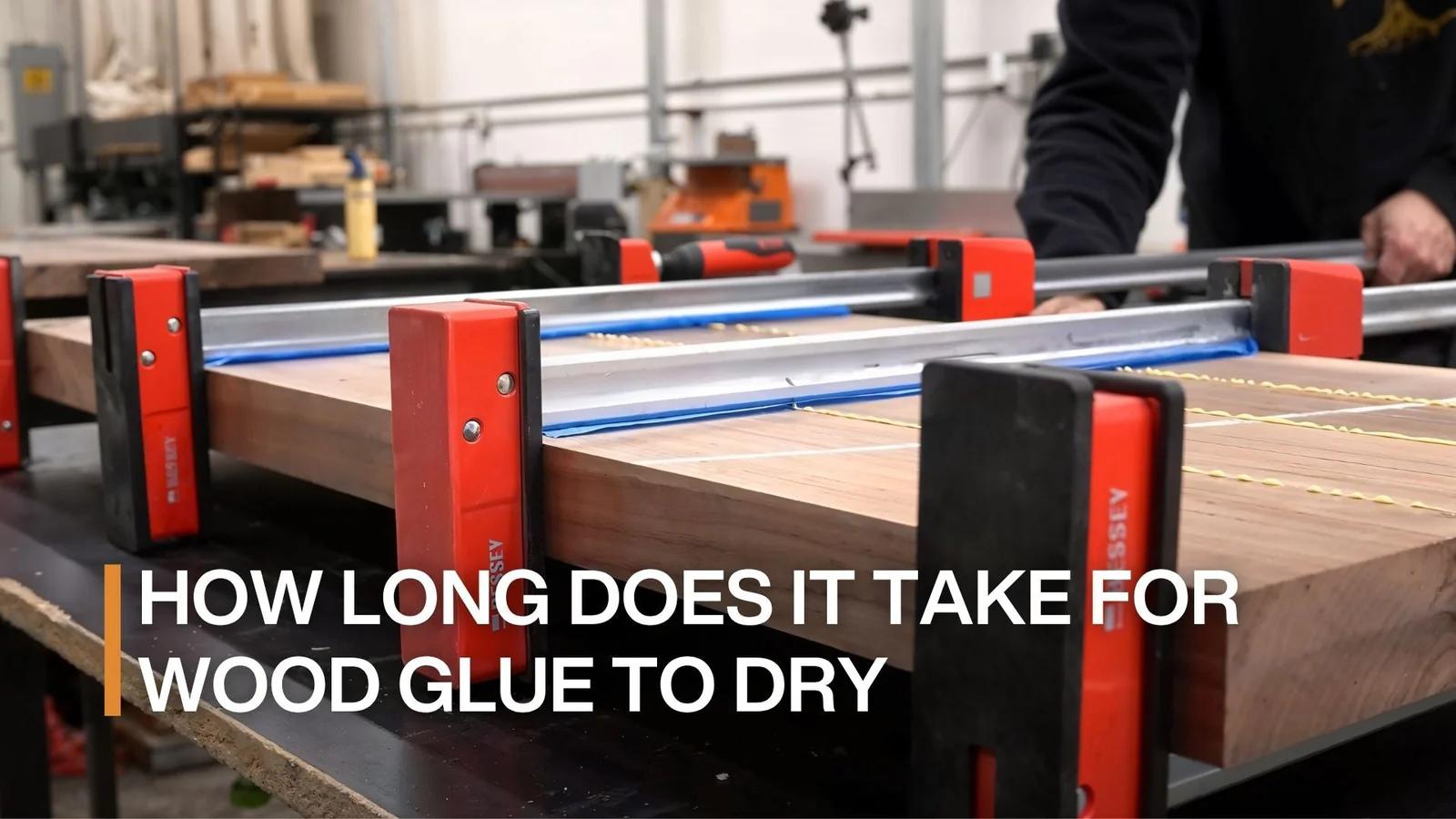
Wood glue is one of the most important adhesives in woodworking, furniture repair, cabinetry, and DIY projects. However, one of the most common questions is: “How long does it take for wood glue to dry?”
The answer depends on the type of glue, temperature, humidity, wood species, and how much glue is applied. While some wood glues feel dry within 30 minutes, full strength can take anywhere from 24 hours to several days.
Quick Answer
| Wood Glue Type | Initial Set Time | Clamp Time | Full Cure Time |
|---|---|---|---|
| PVA Wood Glue (Yellow Glue) | 15–30 minutes | 30–60 minutes | 24 hours |
| Fast-Setting Wood Glue | 5–15 minutes | 15–30 minutes | 12–24 hours |
| Polyurethane Glue | 1–2 hours | 1–2 hours | 24 hours |
| Epoxy | 5 minutes–24 hours | Usually not required | 24–72 hours |
| Hide Glue | 30 minutes | 1–2 hours | 24 hours |
| Cyanoacrylate (CA Glue) | Seconds | Not required | 24 hours |
Understanding Wood Glue Drying Stages
Many people confuse dry time, set time, and cure time.
Set Time
The glue begins bonding and parts stay together without slipping.
Clamp Time
The minimum time clamps should remain in place.
Cure Time
The adhesive reaches maximum strength.
Example:
A typical wood glue may:
- Set in 20 minutes
- Require clamps for 1 hour
- Reach full strength after 24 hours
Removing clamps too early can weaken the joint.
Drying Time by Glue Type
1. PVA Wood Glue (Most Common)
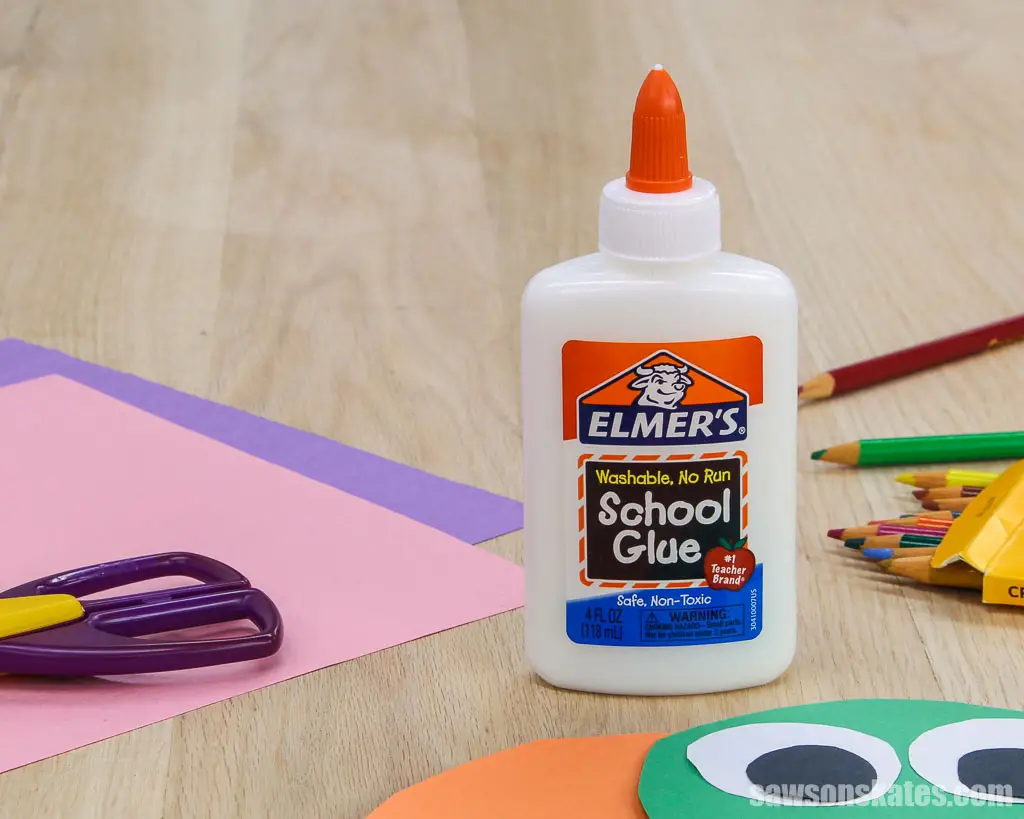
Popular brands include:
- Titebond
- Gorilla Glue wood glue products
- Elmer’s wood glue products
Typical Drying Time
- Initial tack: 10–20 minutes
- Clamp time: 30–60 minutes
- Light handling: 1–2 hours
- Full cure: 24 hours
Best For
- Furniture building
- Cabinets
- Hardwood projects
- Indoor woodworking
Pros
- Easy to use
- Strong bond
- Water cleanup
- Affordable
Cons
- Not gap-filling
- Can weaken if exposed to water unless waterproof formula is used
2. Polyurethane Wood Glue
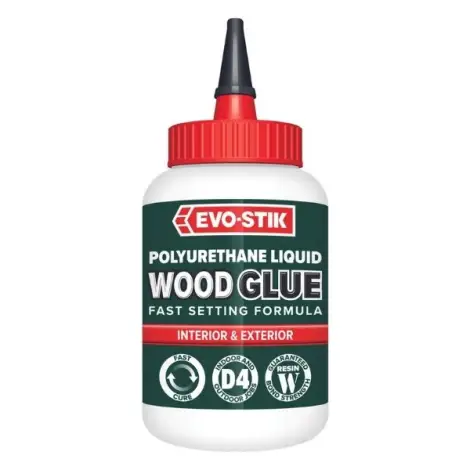
Polyurethane glues expand slightly while curing.
Typical Drying Time
- Open time: 10–15 minutes
- Clamp time: 1–2 hours
- Full cure: 24 hours
Best For
- Outdoor furniture
- Moist environments
- Mixed-material bonding
Pros
- Waterproof
- Very strong
- Works on many materials
Cons
- Messy expansion
- More difficult cleanup
3. Epoxy
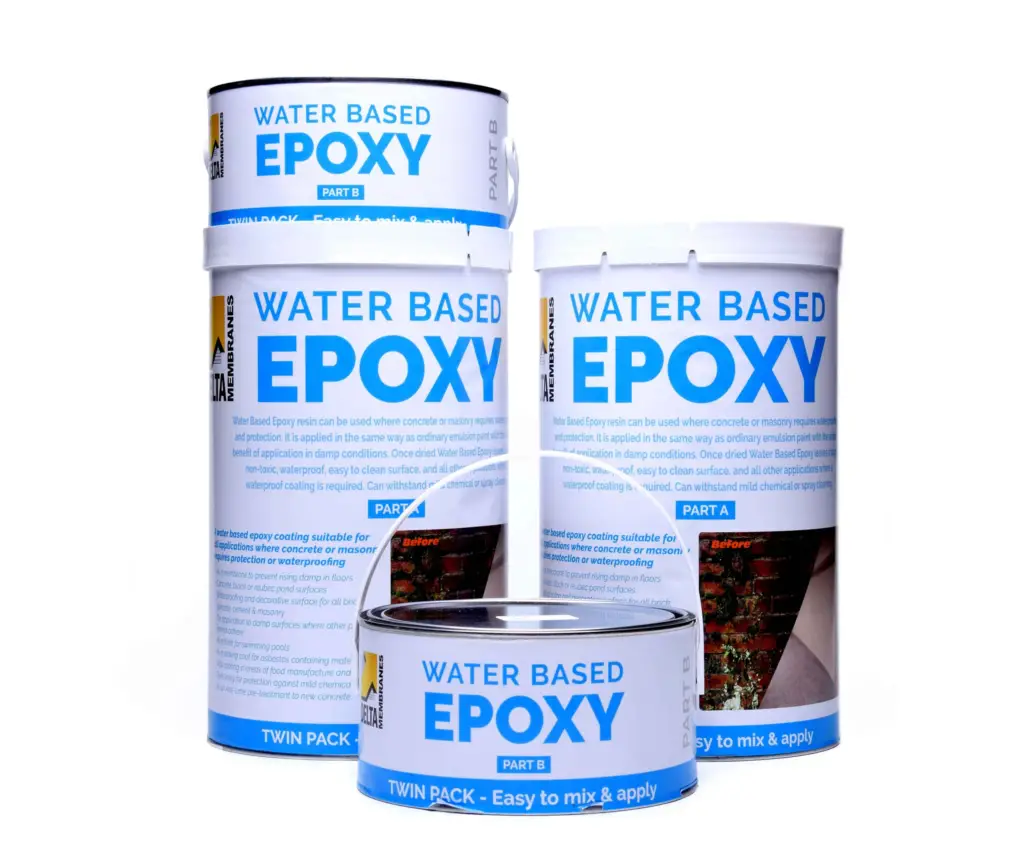
Epoxy consists of resin and hardener.
Typical Drying Time
| Epoxy Type | Working Time | Full Cure |
|---|---|---|
| 5-Minute Epoxy | 3–5 minutes | 24 hours |
| Standard Epoxy | 20–60 minutes | 24–72 hours |
Best For
- Filling gaps
- Structural repairs
- Boat building
- Outdoor projects
Pros
- Extremely strong
- Waterproof
- Gap filling
Cons
- Expensive
- Mixing required
4. CA Glue (Super Glue)
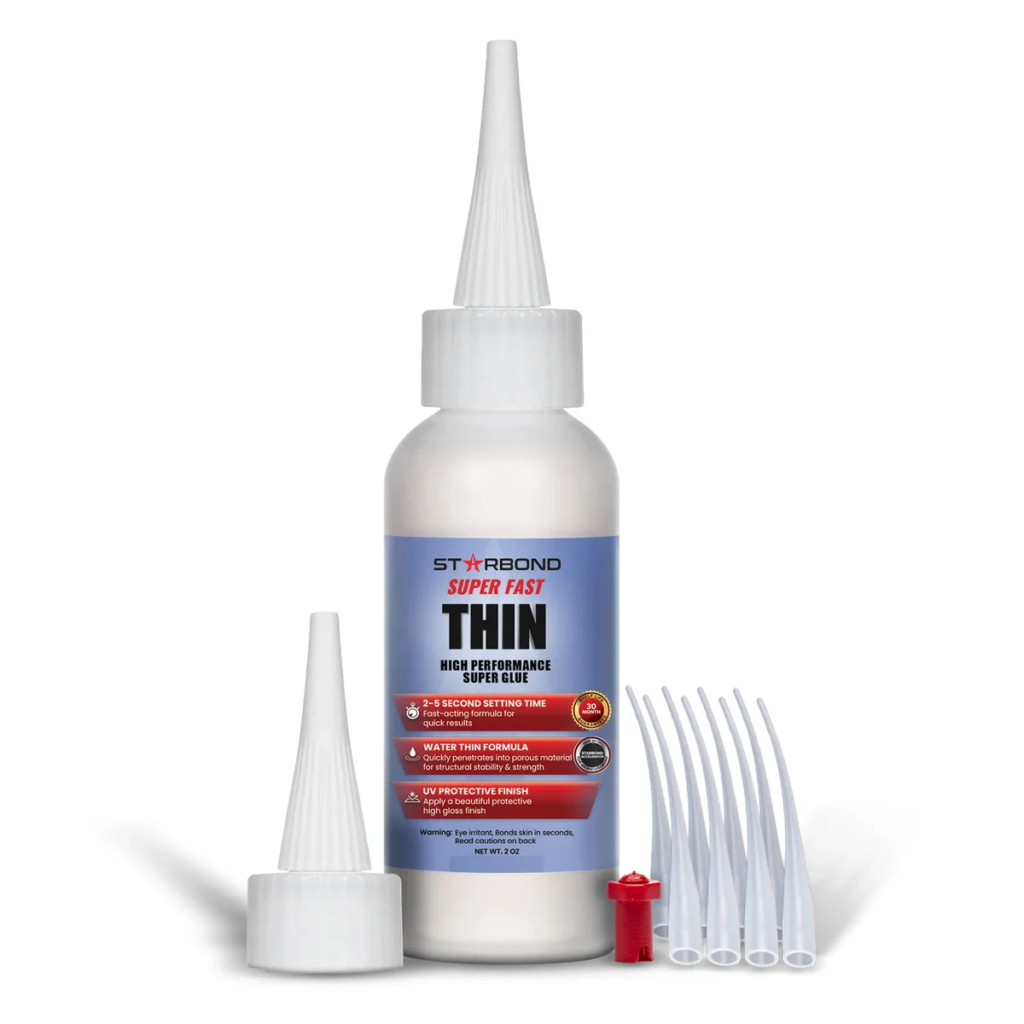
Often used for quick woodworking repairs.
Drying Time
- Bonds in seconds
- Usually usable within 1 minute
- Full cure in 24 hours
Best For
- Small repairs
- Inlays
- Temporary positioning
Pros
- Extremely fast
- No clamping needed
Cons
- Brittle
- Not ideal for large joints
Factors That Affect Drying Time
Temperature
Wood glue cures fastest between:
65°F–80°F (18°C–27°C)
Cold temperatures significantly slow curing.
Below 50°F (10°C)
- Longer clamp times
- Reduced bond strength
- Potential bond failure
Humidity
Moderate humidity is ideal.
Very high humidity can:
- Slow drying
- Increase cure times
- Affect wood movement
Wood Type
Dense hardwoods often dry slower than softwoods.
Examples:
Faster
- Pine
- Spruce
- Cedar
Slower
- Oak
- Maple
- Walnut
- Exotic hardwoods
Glue Thickness
A thin, even layer cures faster than a thick layer.
Too much glue can:
- Increase drying time
- Create weak joints
- Cause squeeze-out
When Can You Remove Clamps?
General guideline:
| Glue Type | Minimum Clamp Time |
|---|---|
| PVA | 30–60 minutes |
| Fast PVA | 15–30 minutes |
| Polyurethane | 1–2 hours |
| Hide Glue | 1–2 hours |
| Epoxy | Usually not needed |
For critical projects, many woodworkers leave clamps on for:
2–4 hours
even when the manufacturer states 30–60 minutes.
When Can You Sand Wood Glue?
Light Sanding
Usually after:
- 1–2 hours for fast glues
- 4–6 hours for standard wood glue
Best Results
Wait:
24 hours
before aggressive sanding or finishing.
When Can You Paint or Stain?
For the strongest bond and best finish:
- Wait 24 hours after gluing
- Remove excess glue before it cures completely
- Sand smooth before finishing
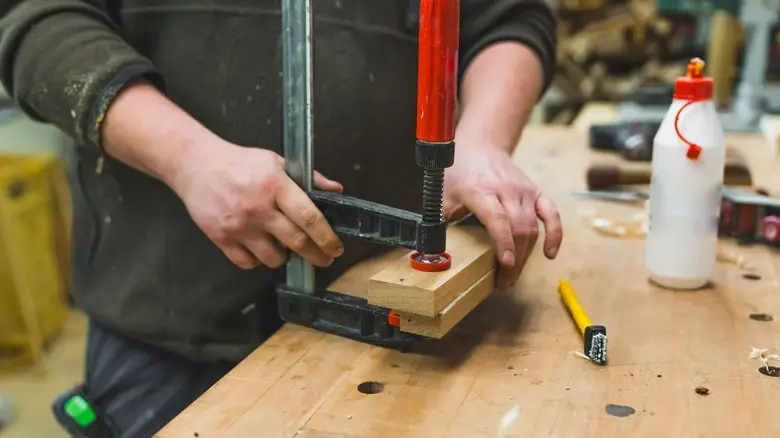
How to Make Wood Glue Dry Faster
1. Use Proper Clamping Pressure
Firm pressure creates a thinner glue line and faster curing.
2. Work in a Warm Room
Ideal temperature:
70°F–75°F (21°C–24°C)
3. Apply Thin Glue Layers
More glue does not mean a stronger bond.
4. Improve Air Circulation
Good airflow helps moisture evaporate.
5. Choose Fast-Setting Glue
Fast-setting formulations can reduce waiting time significantly.
Common Mistakes
Removing Clamps Too Early
The joint may look secure but still be weak internally.
Using Excessive Glue
Creates longer cure times and more cleanup.
Working in Cold Conditions
Cold temperatures can dramatically slow curing.
Skipping Cure Time
A joint may feel dry long before reaching full strength.
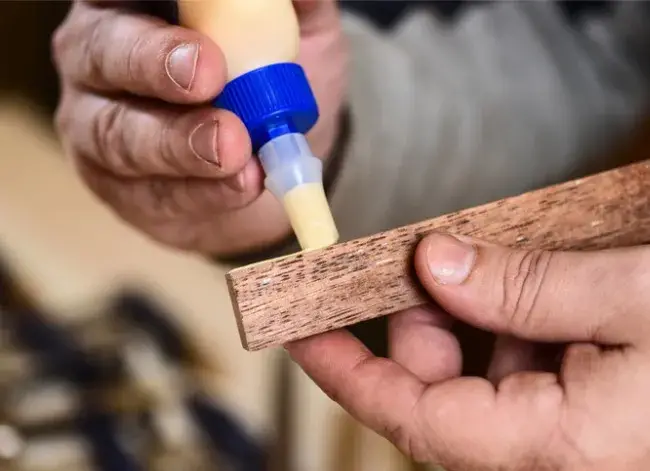
Best Wood Glues Reviewed
Titebond Original
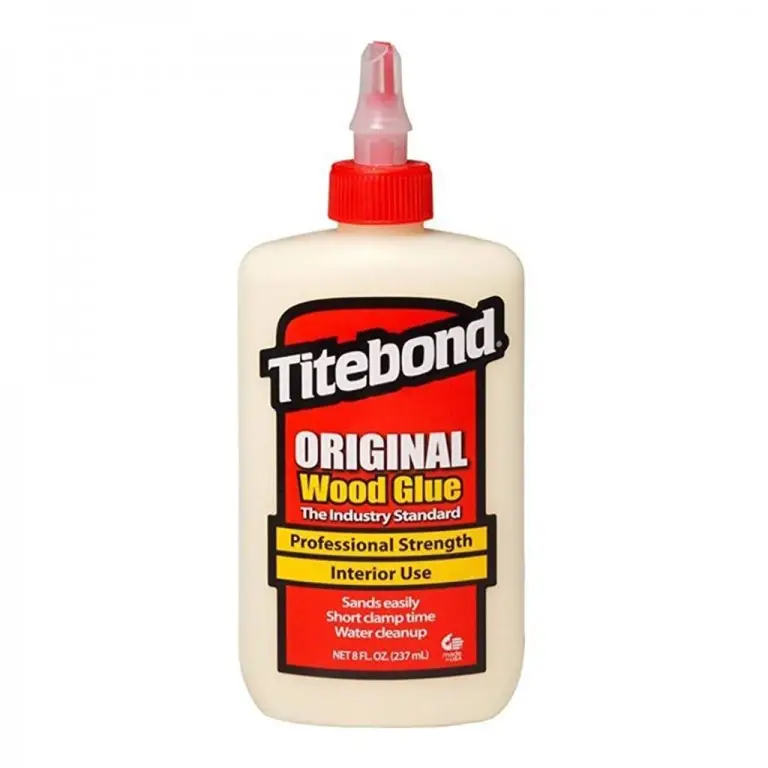
Best Overall
- Reliable
- Strong bond
- 24-hour cure
- Excellent value
Gorilla Glue Wood Glue Products
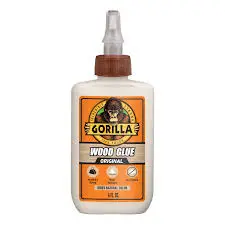
Best for Water Resistance
- Indoor/outdoor use
- Strong bond
- Easy application
Elmer’s Carpenter’s Wood Glue
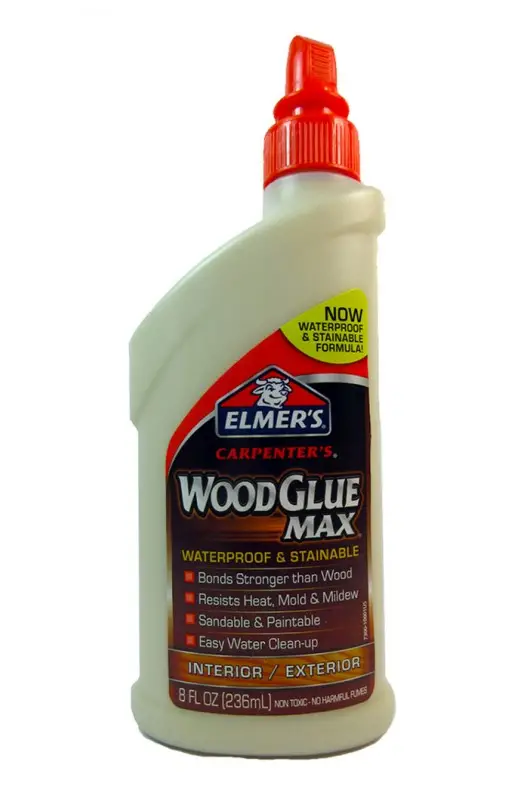
Best Budget Choice
- Affordable
- Easy cleanup
- Good for household projects
READ ALSO: Can you put polyurethane over polycrylic?